What’s the definition of Teaching & Learning Materials (TLM)?
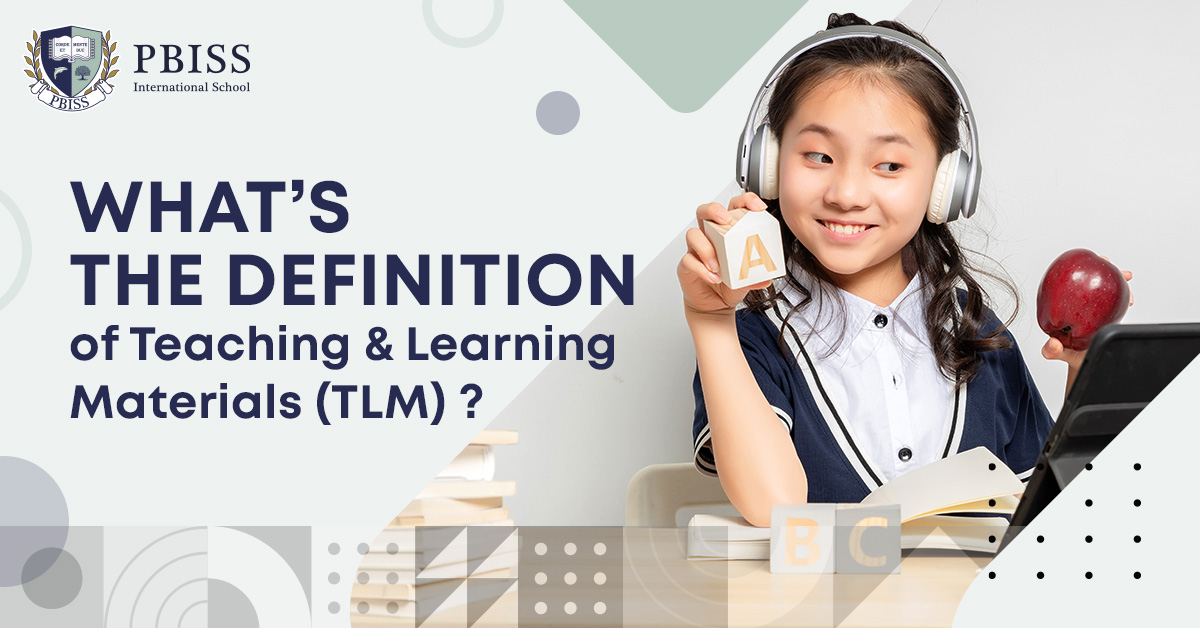
A solid foundation usually promises good outcomes. Education is also like that. That said, a solid foundation can be thoroughly explored through the concept of TLM, or teaching and learning materials. For teachers and students to support and improve the teaching and learning process, TLM is crucial. The term “teaching and learning materials” refers to a broad range of instruments, resources, and materials that are specifically created to assist in the acquisition of knowledge, abilities, and comprehension across a variety of topics and disciplines. They also include physical objects, digital resources, and instructional aids. The most popular and well-known teaching and learning materials are textbooks, audiovisual aids, and teaching aids. But that’s not all. We’ve prepared information about TLM for you here in this article.
What are Teaching & Learning Materials?
A wide range of instruments and resources are included in Teaching and Learning Materials (TLM), which are designed to facilitate teaching and learning. Below is a compilation of TLM examples from a range of subjects and educational backgrounds.
1.Textbooks
The traditional form of teaching and learning materials is either in digital or physical form.
2.Audiovisual aids
Audiovisual aids include videos, documentaries, educational podcasts, audio recordings, and interactive multimedia presentations.
3.Teaching aids
Teaching aids can usually be found in TLMs created by teachers. They refer to charts and posters illustrating the concepts, flashcards for quick review, and models or diagrams to visualize and understand the complex idea more easily.

4. Laboratory Equipment
Laboratory equipment is usually found in science labs, test tubes, chemicals, and specimens for experiments.
5.Maps and Globes
Beneficial for studying geology and related fields, world maps and atlases allow students to visualize the world and its landscape better.
6.Art supplies
For example, paints, brushes, canvases, drawing materials, and craft materials.
7.Computer Software and Simulations
Educational software for various objects, simulations, and virtual reality experiences can enhance students’ learning experiences.
8.Musical Instruments
Instruments used for musical education, such as sheet music and instructional guides, are considered great aids for students learning music.
9. Physical Education Equipment
Sports equipment for physical education classes and fitness tools, and resources.
10.Language Learning Materials
For example, language flashcards and games, language learning apps, and reading materials and literature in the target language.

How to use Teaching & Learning Materials
There are many ways to use teaching and learning materials to the utmost benefit. Based on a play-based learning environment that favors students’ needs as the core of the curriculum, TLM can be beneficial in various forms and opportunities. Starting with creating purposeful play centers that align with learning objectives, this approach can be adapted to various situations.
For example, a kitchen play area can promote language skills and social interaction, while a building block center can enhance spatial awareness and problem-solving. By designing appropriate play centers that are in alignment with students’ needs and teachers’ purposes, the use of TLM can reach its maximum. We can divide the use of TLM into two main categories: inside the classroom and for extracurricular activities. Here are some examples of both settings.
Inside the classroom
1. Diversify Instructional Aids
Use a variety of TLM such as charts, models, and multimedia presentations to cater to different learning styles. For example, use visual aids during explanations, hands-on activities for application, and videos for reinforcement.
2.Interactive Whiteboards and Technology
Utilize interactive whiteboards, educational apps, and online resources to enhance lessons. Engage students through interactive learning experiences that incorporate technology into traditional teaching methods.
3. Hands-On Learning Stations
Set up learning stations with hands-on materials like manipulatives, science kits, and art supplies. This allows students to rotate through different activities, promoting exploration and active participation.
For extracurricular activities
1.Club-Based Learning
Establish extracurricular clubs that align with students’ interests. For example, a science club could use experiments and hands-on activities, while a coding club could leverage technology and coding kits.
2.Performing Arts and Creativity
Incorporate TLM in performing arts and creative activities. Use art supplies, musical instruments, and technology to support students in expressing themselves through drama, music, or visual arts.
3. STEM and Robotics Clubs
Establish STEM (Science, Technology, Engineering, and Mathematics) or robotics clubs that utilize kits, experiments, and technology tools. This fosters interest and skills in these fields outside the regular curriculum.
You can see that designing purposeful classrooms is a basis for shaping how the learning process will develop. The efficiency of teaching and studying varies depending on various factors; however, teachers can direct and lead the classroom by employing suitable teaching and learning materials for objectives. This can result in a successful learning process in the long run.

Conclusion
Teaching and learning materials are crucial in the learning process, for they can enhance studying efficiency and help hone skills. Various forms of TLM offered by a school are considered a great benefit, allowing students to focus on improving their potential thoroughly and effectively.
PBISS, the British International School of Samui, is one of the best-equipped TLM schools in Thailand. With a combination of two distinct curricula: Cambridge International Standard and STEM+, PBISS offers students the integration of unique classrooms that allow students to develop their skills, become all-rounders.
PBISS’s strengths do not lie in only building a solid foundation of skills for students but also in how the curriculum can help equip students to be ready for the changing world of the 21st century.
PBISS believes that an adaptation skill is crucial, and it is a result of integrating various proficiencies. Hence, PBISS is one of the most outstanding international schools in Thailand and one of the best choices for students of all ages, ranging from 2 to 17 years old. Parents can rest assured that PBISS offers the best of the best classrooms and facilities for students, allowing them to explore the world and gather new experiences in a safe environment.