EARLY YEARS & FOUNDATION
(Ages 2-5 years)
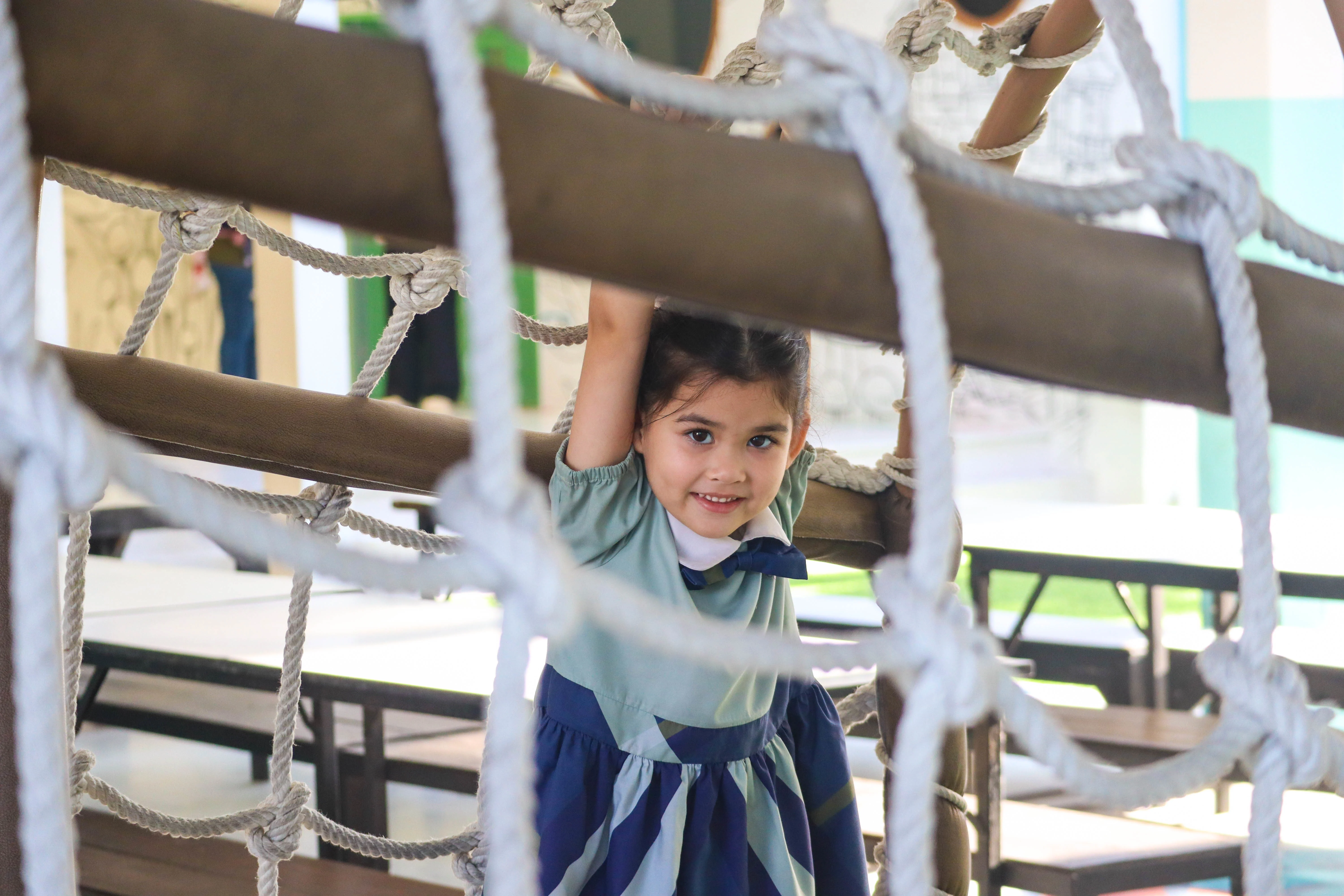
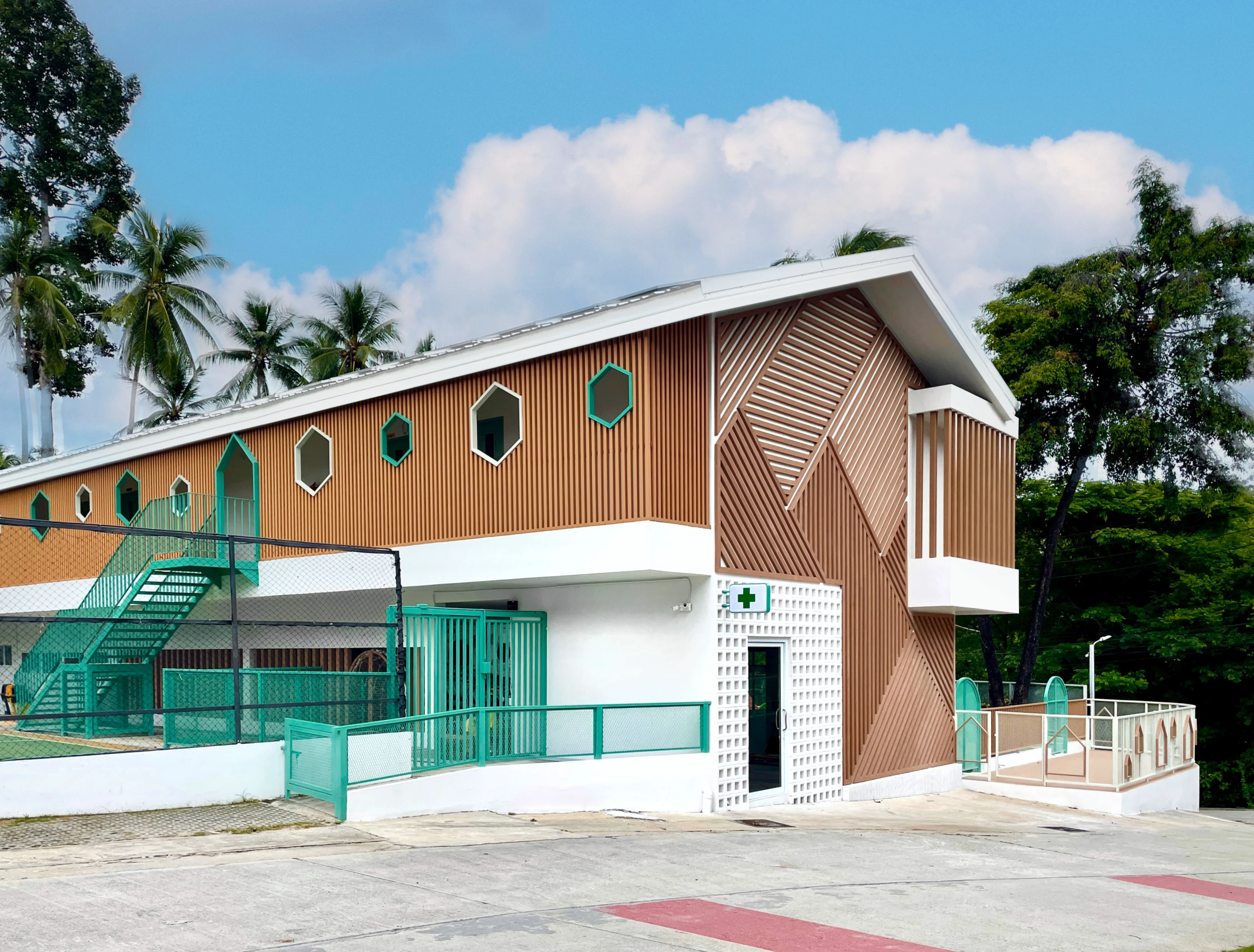
The PBISS early years campus offers a kid-friendly environment. Our facility is purposefully built and designed to fit our unique early years curriculum. We put an emphasis on child development at every stage up to the important transition period between the foundation stage and primary school - commonly an area where educators all over the world struggle to make a smooth and efficient transition for students. Our school connects the first two years of primary school with the early year facility to ensure that our students can thrive in the best environment. PBISS understands that kids in the early years, especially during the transition period, will develop values that will last with them for a lifetime; therefore, we focus on every stage of this development, paying close attention not just through teaching but their engagement and interactions with their peers and the whole setting.
PBISS understands that kids in the early years, especially during the transition period, will develop values that will last with them for a lifetime; therefore, we focus on every stage of this development, paying close attention not just through teaching but their engagement and interactions with their peers and the whole setting.
CAMBRIDGE AND EYFS CURRICULUM
As children grow, so do their learning needs. The transition from the Early Years
Foundation Stage (EYFS) to the Cambridge Primary Curriculum typically occurs around the
age of 5 or 6. This stage marks an important milestone in a child’s educational journey, and it
is vital that this transition is smooth, supportive, and developmentally appropriate.
The EYFS framework emphasizes play-based, exploratory learning that nurtures curiosity,
independence, and foundational social and communication skills. It focuses on seven key
areas of learning, including personal, social, and emotional development, communication and
language, and physical development.
Bridging the Gap
To ensure a successful transition:

Gradual Shift in Expectations: Children move from a play-based environment to a more structured classroom setting. Teachers must scaffold this change by blending familiar EYFS methods with more formal learning activities.
Holistic Support: Emotional well-being is a priority. Children need reassurance and consistency during this transition. Building strong teacher-student relationships and maintaining some routines from EYFS can ease anxieties.
Parent Involvement: Regular communication with parents helps them understand the changes and supports them in reinforcing learning at home.
Curriculum Continuity: At PBISS, we often use bridging themes or integrated topics that connect EYFS learning experiences with the Cambridge subjects, ensuring continuity and relevance.
Assessment Adaptation: The informal observations and assessments of EYFS begin to transition into more structured assessments aligned with Cambridge standards. However, formative feedback and observation still play an essential role.
A successful transition from EYFS to the Cambridge Curriculum sets the foundation for lifelong learning. By respecting developmental stages and ensuring a nurturing and engaging environment, educators can help children thrive in the next phase of their education.
CHILDHOOD DEVELOPMENT
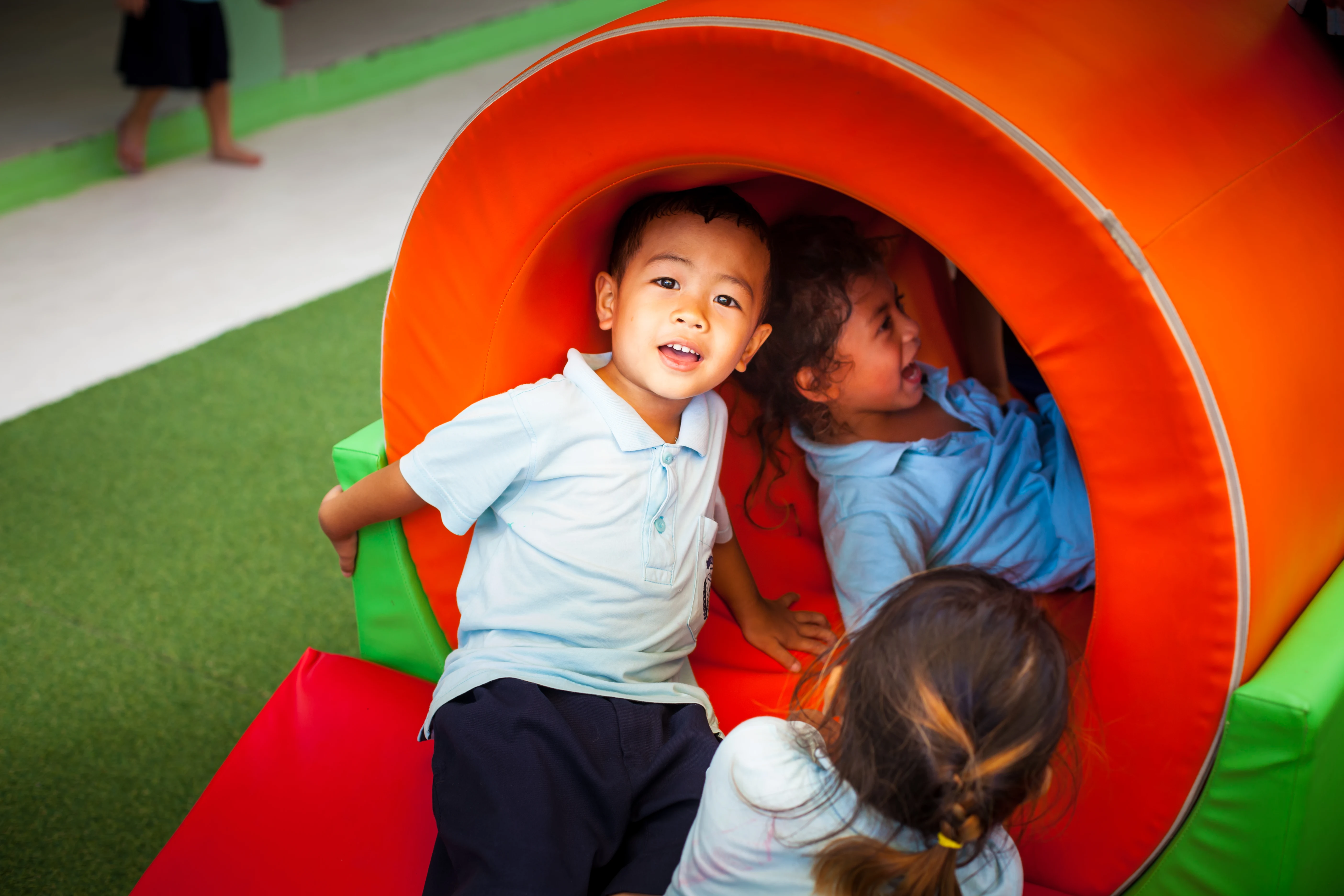
Children’s brains develop connections faster in the first five years than at any other time in their lives. It is the moment when the foundations for learning and behaviour throughout life are shaped. At PBISS, we understand the fundamentals of a child's development and put extra care into fostering our children to develop the essential traits that will prove to be their lifetime assets.
GROWTH MINDSET
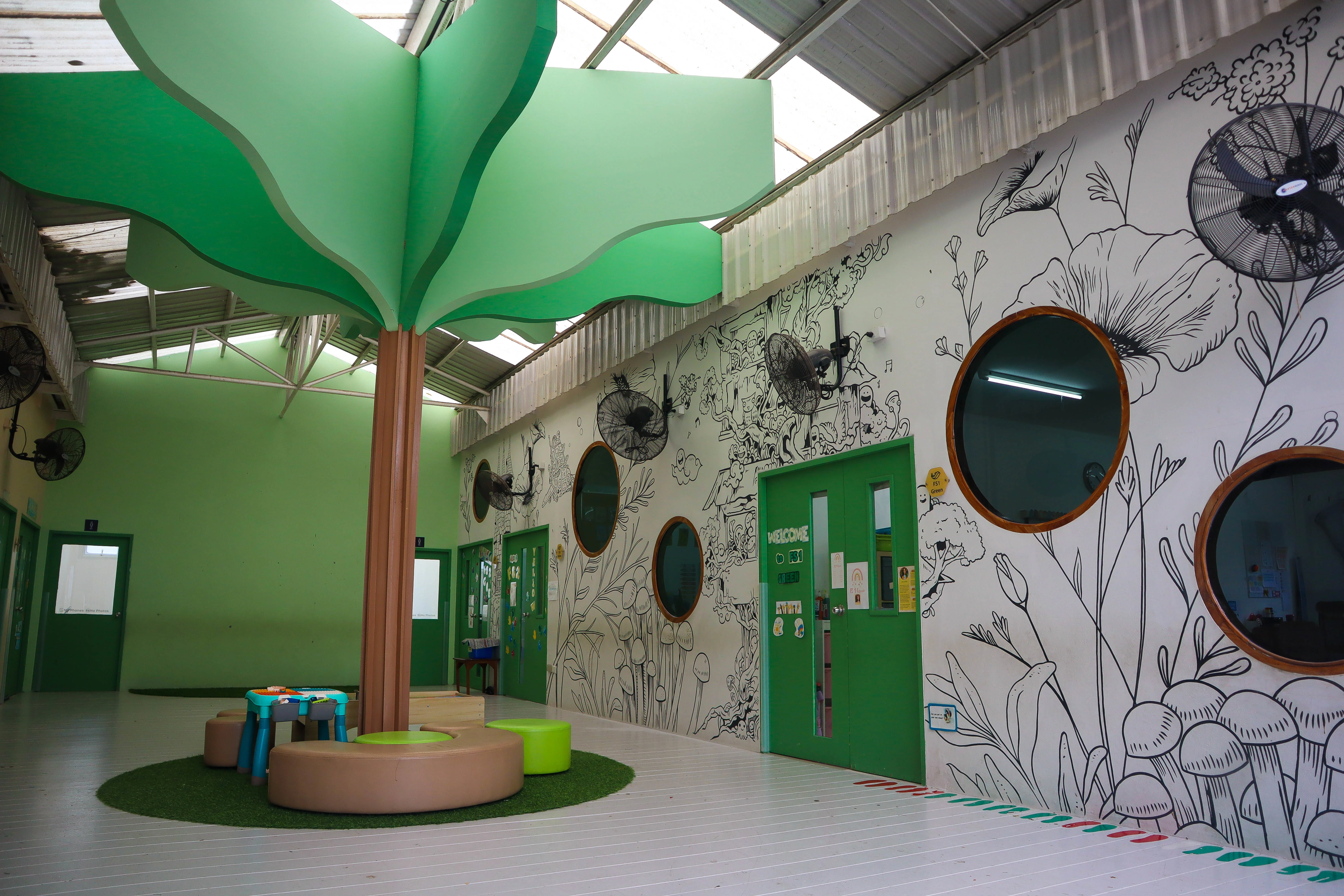
At PBISS, we nurture a growth mindset in our Early Years Foundation Stage
(EYFS) by creating an environment where children feel safe, valued, and
encouraged to take on new challenges. Our approach is rooted in the belief that
abilities develop through effort, exploration, and persistence, helping children
build confidence and resilience from an early age.
Our play-based and inquiry-led curriculum encourages curiosity by allowing
children to ask questions, test ideas, and learn through hands-on experiences. We
celebrate mistakes as opportunities for learning, helping children understand that
problem-solving and perseverance lead to growth. Through activities such as
STEM challenges, open-ended art projects, and outdoor learning, we encourage
children to embrace challenges and try new things.
PLAY BASED LEARNING IN A FAMILY ENVIRONMENT
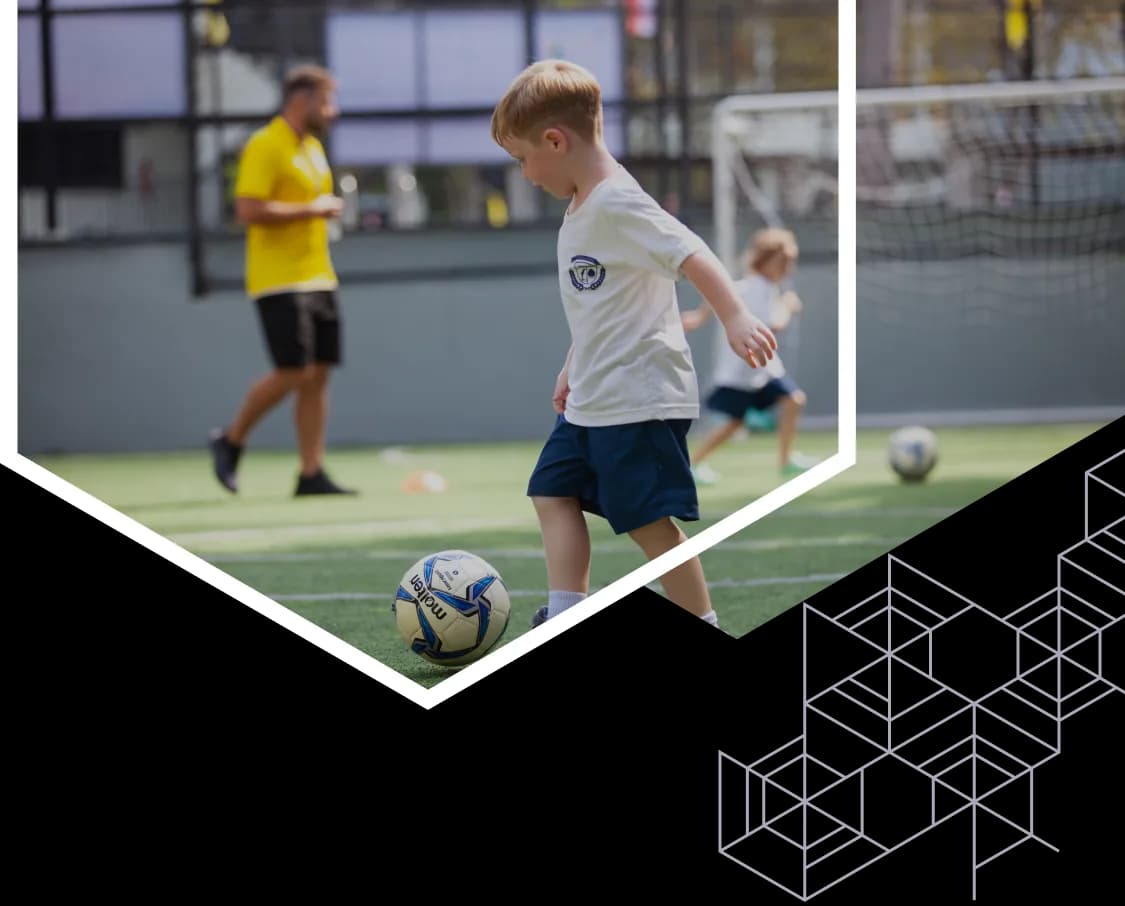
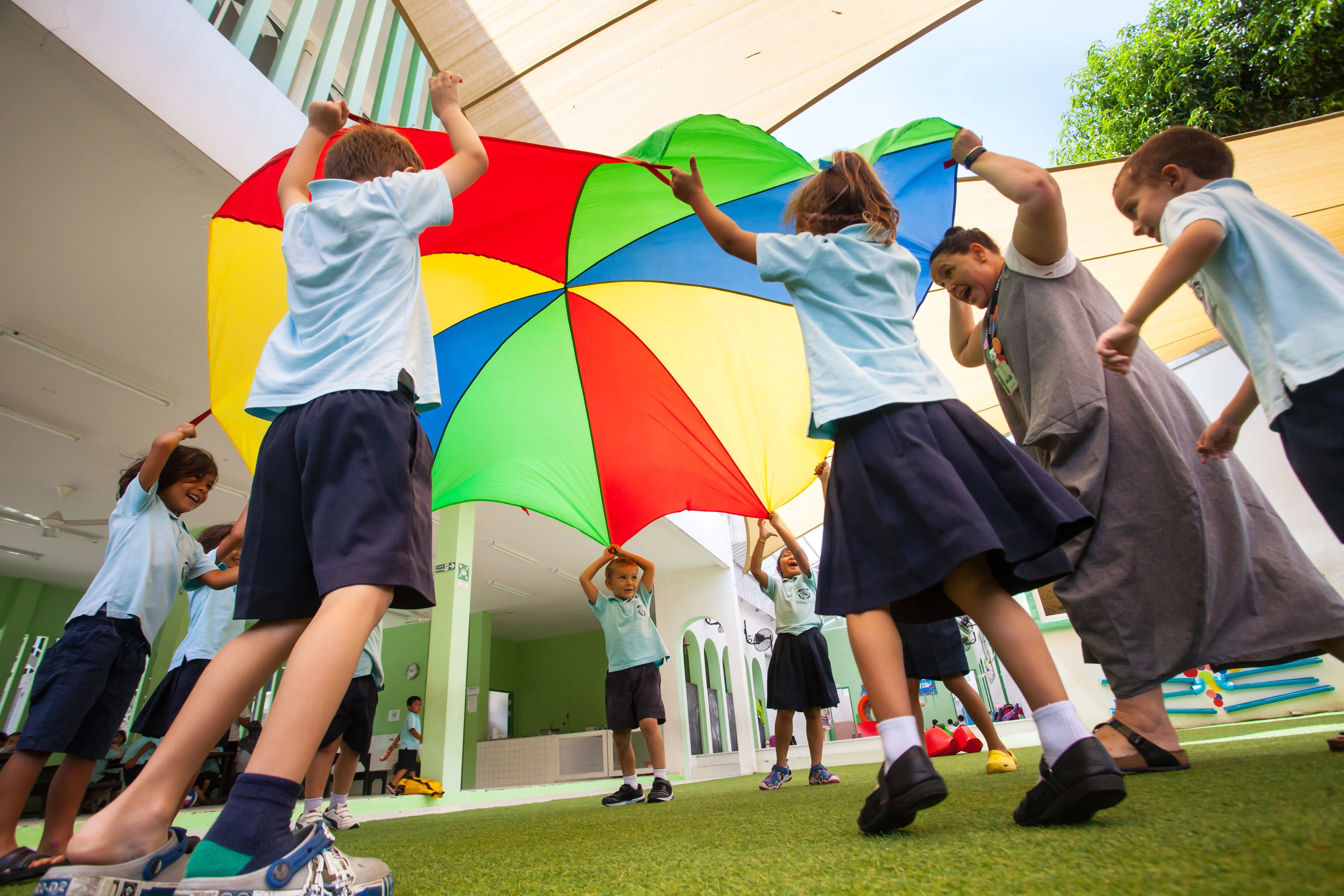
In the first five years of life, experiences and relationships stimulate children’s development, creating millions of connections in their brains. And that is one of the best ways, if not the best way, children could learn at this age. We put emphasis on integrating experiences and relationships in our way of teaching through play-based learning. In our STEM+ approach, kids will lead what they want to learn through what educational toys they want to play in a family-like environment.